- Home
- Blog Details
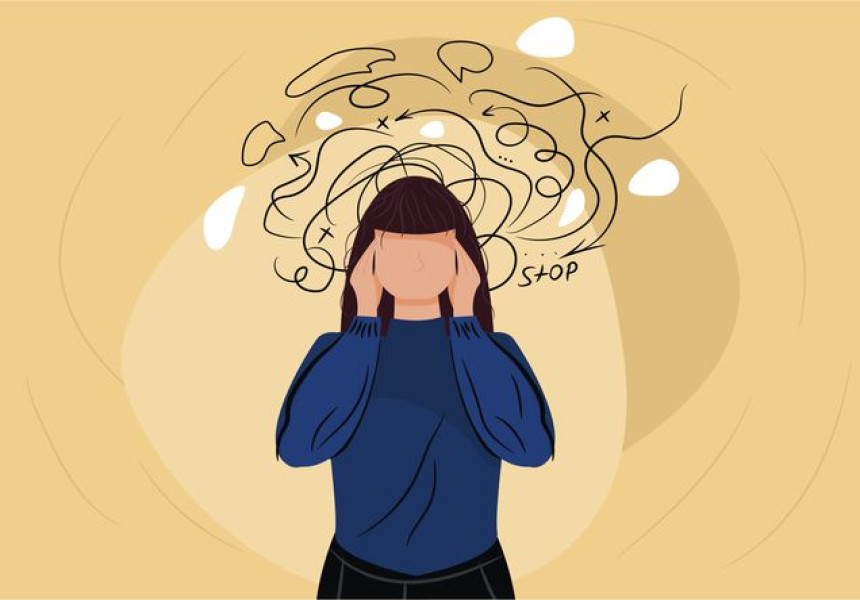
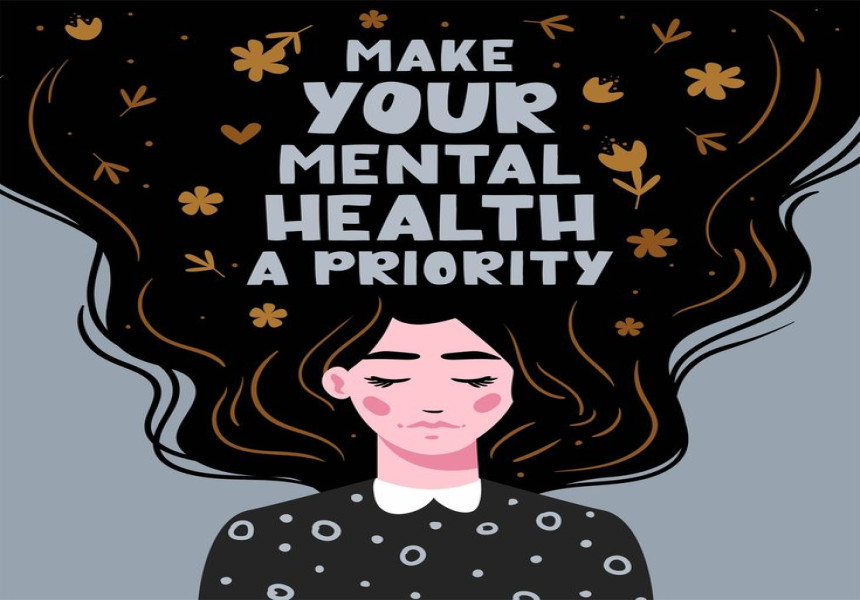
Mental health is just as important as physical health, but we often forget about it. A healthy mind helps us handle stress, build good relationships, and make better choices. In today's busy world, taking care of our mental health is very important. This blog will explain why mental health matters and share simple ways to stay balanced every day.
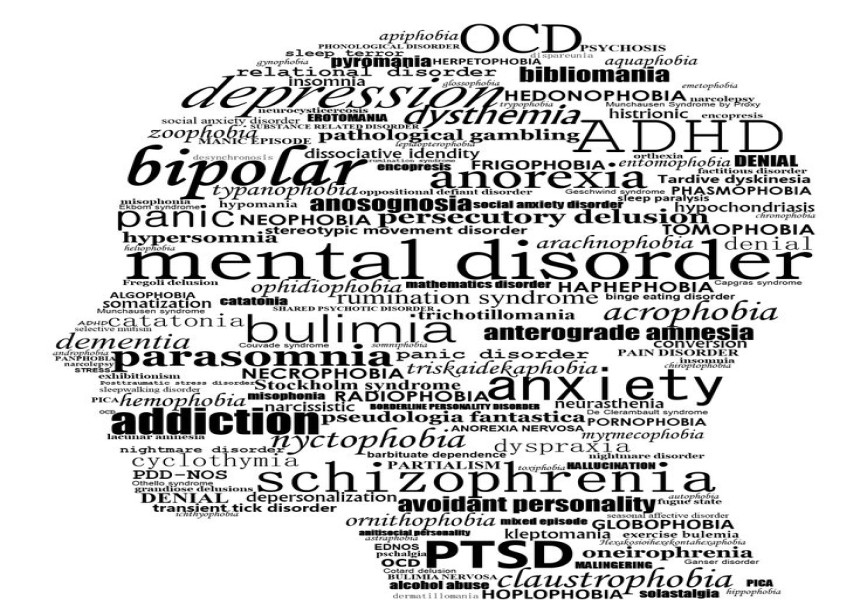
Mental health is about how we feel, think, and interact with others. It affects our mood, decisions, and how we deal with daily life. Good mental health helps us handle challenges, work well, and connect with people. Poor mental health can cause stress, anxiety, and depression, making life harder.
Helps You Enjoy Life: When you feel good mentally, you enjoy life more, have better relationships, and do well in work and school.
Keeps Your Body Healthy: Mental health affects physical health. Stress and anxiety can lead to problems like heart disease and a weak immune system.
Improves Focus and Productivity: A healthy mind helps you think clearly, solve problems, and be more productive.
Strengthens Relationships: When you feel mentally strong, you can communicate better and build good relationships with others.
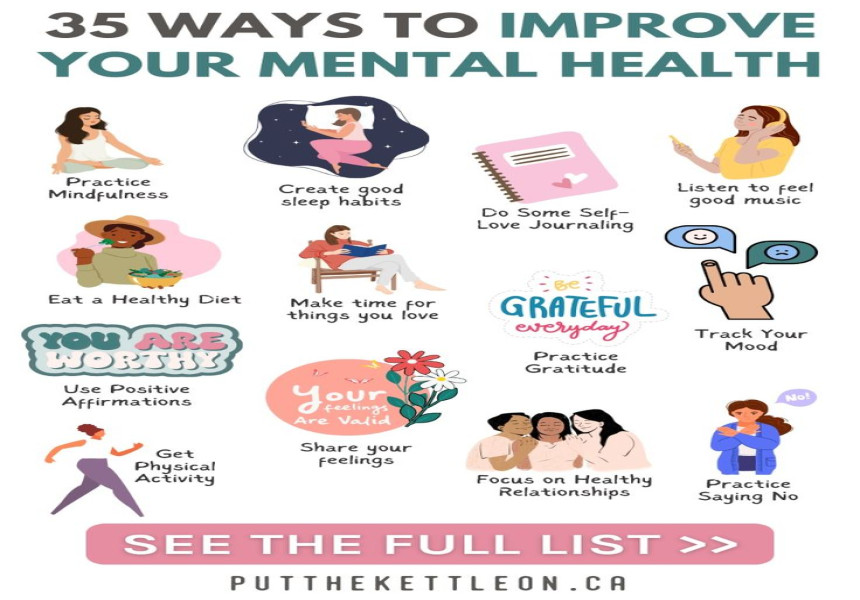
Mindfulness means staying present and aware of your thoughts. Meditation, deep breathing, and yoga can help you relax and reduce stress. Just five minutes a day can make a difference.
Exercise releases “happy hormones” that improve your mood. Activities like walking, jogging, yoga, or dancing help reduce anxiety and stress.
A good diet is important for your brain. Foods rich in vitamins and omega-3 help keep your mind sharp. Avoid too much caffeine, sugar, and processed foods.
Sleep is crucial for mental and physical health. Not sleeping enough can make you feel stressed, tired, and unable to focus. Aim for 7-9 hours of good sleep every night.
Talking to family and friends can help you feel supported. Spending time with loved ones, sharing your thoughts, and joining social activities can boost your mood.
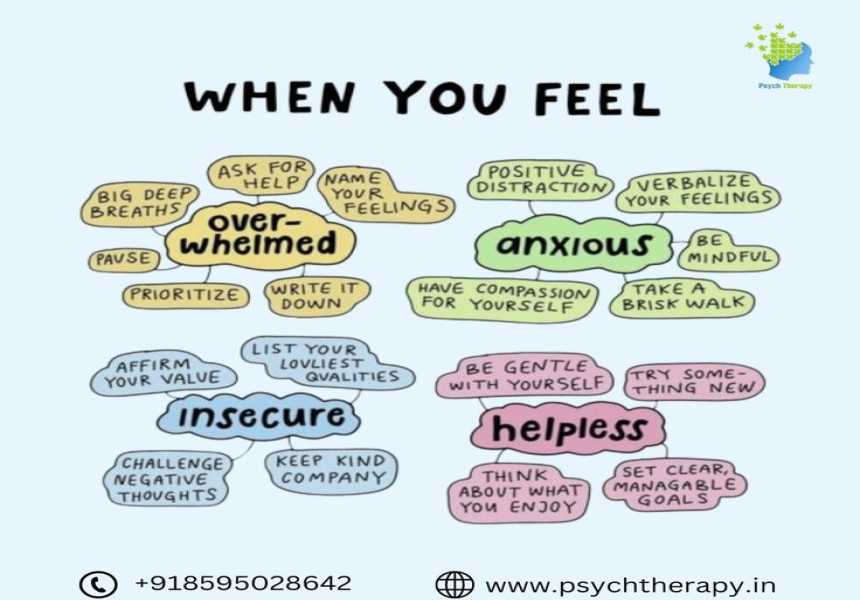
Stress is part of life, but handling it well is key. Try journaling, deep breathing, time management, or hobbies to relax and stay positive.
Setting and reaching small goals makes you feel accomplished. Break big tasks into smaller steps and celebrate your progress.
Working too much can make you feel exhausted. Taking breaks, relaxing, and doing activities you enjoy helps prevent burnout.
It’s okay to seek help when you feel overwhelmed. Talking to a therapist or counselor can help you understand and manage your emotions better.
Focusing on the good things in life makes you happier. Keep a gratitude journal, appreciate little things, and try to stay positive.
Mental health is a big part of overall well-being. Simple habits like mindfulness, exercise, eating well, and staying connected can help keep your mind balanced. When you take care of your mental health, you enjoy life more and build a supportive, happy environment for yourself and others.