• Apr 29, 2026 06:03 PM
  • Trending Blogs

20 Must-Try Street Foods in Banaras

Book to Screen: The Art of Adaptation

Top 10 Smart Devices You Need in 2025

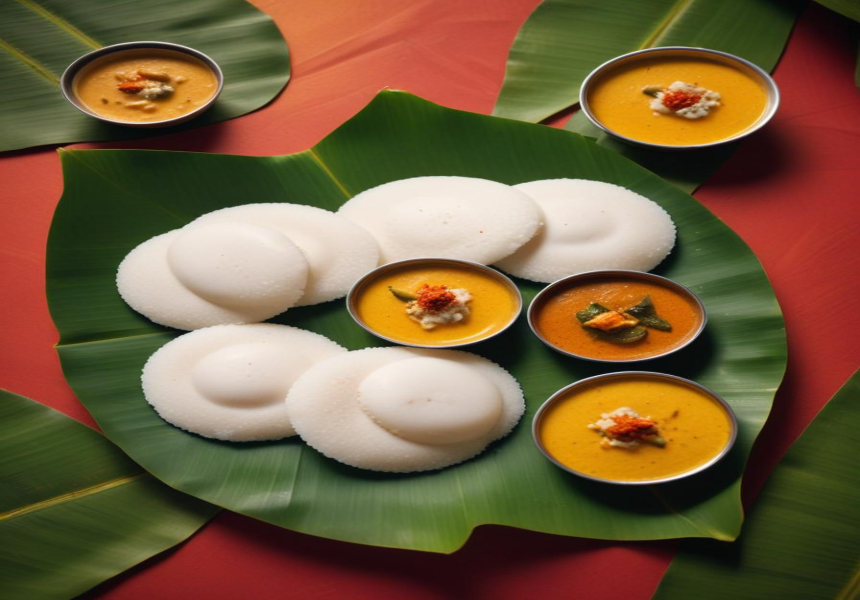
The Humble Idli: A Steaming Saga of South Indian Comfort

The idli. A simple, unassuming disc of steamed rice and lentil batter. A breakfast staple, a comfort food, a culinary ambassador of South India. But beneath its soft, spongy exterior lies a rich tapestry of history, culture, and regional variations that have transformed this humble dish into an icon. In this expansive dive, we'll explore the fascinating journey of the idli, from its ancient origins to its modern-day global presence.

A Glimpse into the Past: Unraveling the Idli's Origins

The precise origins of the idli remain shrouded in mystery, with various theories vying for prominence. Unlike some dishes with clear historical records, the idli's story is woven from fragmented literary references and culinary evolution. One widely accepted theory suggests that the idli's roots can be traced back to Indonesia.

Ancient Hindu kingdoms in Indonesia had a vibrant culinary exchange with South India. Steamed foods, particularly fermented ones, were prevalent in Indonesian cuisine. It is believed that the technique of steaming fermented rice cakes, similar to the modern idli, travelled to South India sometime between the 8th and 12th centuries.

Another theory points to the "iddalige" mentioned in the Kannada text "Vaddaradhane" by Shivakotiacharya, dating back to 920 AD. However, this ancient iddalige was likely made with urad dal paste alone, without the rice component, making it distinct from the modern idli.

The introduction of rice into the idli batter is attributed to the culinary innovations of the region. The combination of rice and urad dal, fermented and steamed, likely evolved over centuries, culminating in the fluffy, porous idli we know today.
 

The Art of Fermentation: The Soul of the Idli

The magic of the idli lies in the fermentation process. Soaked urad dal and rice are ground into a batter, mixed, and left to ferment overnight. This seemingly simple step transforms the batter into a culinary marvel.

The fermentation is carried out by naturally occurring bacteria, particularly Leuconostoc mesenteroides, which thrive in the warm, humid climate of South India. These bacteria break down the carbohydrates in the rice and urad dal, producing lactic acid and carbon dioxide.

The lactic acid contributes to the slightly tangy flavour of the idli, while the carbon dioxide creates the airy, spongy texture. The fermentation process also increases the nutritional value of the idli, making it more digestible and enhancing the bioavailability of vitamins and minerals.

The quality of the idli is directly influenced by the fermentation process. Factors like ambient temperature, humidity, and the quality of the urad dal and rice play crucial roles. Experienced cooks understand the subtle nuances of fermentation, adjusting the batter consistency and fermentation time to achieve the perfect idli.
 

Regional Variations: A Culinary Kaleidoscope

The idli is not a monolithic dish. Each region in South India has its own unique variations, reflecting local preferences and culinary traditions.

  • Tamil Nadu: Known for its soft, fluffy idlis, often served with sambar and a variety of chutneys. The use of parboiled rice is common, contributing to the idli's characteristic texture.
  • Karnataka: Idlis in Karnataka tend to be slightly coarser and denser. Ragi idlis, made with finger millet, are a popular variation, especially in the rural areas.
  • Andhra Pradesh and Telangana: Idlis are often served with spicy chutneys and podis (powdered spice mixes). The use of idli rava (semolina made from rice) is also prevalent.
  • Kerala: Kerala idlis are known for their delicate flavour and soft texture. Idli batter is sometimes mixed with grated coconut, adding a subtle sweetness and richness.

Beyond these regional variations, numerous innovative idli recipes have emerged, catering to diverse tastes and dietary needs.

  • Rava Idli: Made with semolina, this variation is quicker to prepare and offers a slightly different texture.
  • Oats Idli: A healthier alternative, made with oats and vegetables, appealing to health-conscious consumers.
  • Kanchipuram Idli: A spiced idli, infused with pepper, cumin, and ginger, originating from the temple town of Kanchipuram.
  • Thatte Idli: A larger, flatter idli, popular in Karnataka, often served with coconut chutney.
  • Button Idli: Small, bite-sized idlis, perfect for children and snacks.
     

The Idli's Companions: A Symphony of Flavours

The idli is rarely enjoyed in isolation. It is typically served with a variety of accompaniments, creating a symphony of flavours and textures.

  • Sambar: A lentil-based vegetable stew, flavoured with tamarind and spices, is an indispensable accompaniment to the idli. Its tangy, spicy, and slightly sweet notes complement the mild flavour of the idli.
  • Chutney: A variety of chutneys, made with coconut, coriander, mint, or tomato, add a burst of freshness and flavour. Coconut chutney, with its creamy texture and subtle sweetness, is a classic pairing.
  • Podi: A powdered spice mix, often made with lentils, sesame seeds, and dried chillies, provides a spicy and crunchy contrast to the soft idli.
  • Medu Vada: A deep-fried lentil doughnut, often served alongside idli, adds a crispy and savoury element to the meal.
     

The Idli's Nutritional Prowess: A Wholesome Delight

The idli is not only delicious but also highly nutritious. It is a light and easily digestible food, making it ideal for breakfast or a light meal.

  • Rich in Carbohydrates: The rice and urad dal provide a good source of carbohydrates, providing sustained energy.
  • Protein Source: Urad dal is a good source of protein, essential for building and repairing tissues.
  • Low in Fat: Steamed idlis are naturally low in fat, making them a healthy option for those watching their fat intake.
  • Rich in Fiber: The fermentation process increases the fiber content, promoting digestive health.
  • Vitamins and Minerals: Idlis contain essential vitamins and minerals, including B vitamins, iron, and calcium.

The idli's nutritional profile makes it a popular choice for people of all ages, including children, the elderly, and those with dietary restrictions.
 

The Idli's Cultural Significance: A Symbol of South Indian Identity

The idli is more than just a dish; it is a symbol of South Indian identity. It is deeply ingrained in the culture and traditions of the region, playing a significant role in daily life and celebrations.

  • Breakfast Staple: The idli is a quintessential breakfast food in South India, providing a wholesome and satisfying start to the day.
  • Comfort Food: The soft, comforting texture of the idli makes it a popular comfort food, enjoyed during times of illness or stress.
  • Temple Offering: Idlis are often offered as prasadam (offering to deities) in temples, highlighting their spiritual significance.
  • Festival Food: Idlis are prepared during festivals and celebrations, symbolizing prosperity and abundance.
  • Social Gathering: Idli stalls and restaurants are popular social gathering spots, where people come together to enjoy a shared meal.
     

The Idli's Global Journey: From South India to the World

The idli's popularity has transcended geographical boundaries, spreading its charm to different parts of the world. South Indian diaspora communities have played a crucial role in introducing the idli to new audiences.

  • South Asian Restaurants: Idlis are a staple on the menus of South Asian restaurants worldwide, catering to the growing demand for authentic South Indian cuisine.
  • Fusion Cuisine: Chefs around the world have experimented with the idli, incorporating it into fusion dishes, blending South Indian flavours with global influences.
  • Ready-to-Eat Idlis: The availability of ready-to-eat idli mixes and frozen idlis has made it easier for people to enjoy this South Indian delicacy at home.
  • Culinary Festivals: Idlis are often featured in culinary festivals and food events, showcasing the diversity of South Indian cuisine.
     

The Idli's Enduring Appeal: A Testament to Simplicity and Versatility

The idli's enduring appeal lies in its simplicity, versatility, and nutritional value. It is a dish that can be enjoyed by people of all ages and backgrounds, transcending cultural and dietary barriers.

  • Simplicity: The idli's simple ingredients and preparation make it accessible to home cooks and professional chefs alike.
  • Versatility: The idli's mild flavour and soft texture make it a versatile base for various accompaniments and flavour combinations.
  • Nutritional Value: The idli's nutritional profile makes it a healthy and satisfying meal option.
  • Cultural Significance: The idli's deep-rooted cultural significance adds to its appeal, making it more than just a dish.
     

The Future of the Idli: Innovation and Preservation

As the world embraces diverse culinary experiences, the idli is poised to continue its global journey. Innovation and preservation will play crucial roles in shaping the idli's future.
  • Healthier Variations: The development of healthier idli variations, using ingredients like millets, quinoa, and vegetables, will cater to the growing demand for nutritious food.
  • Sustainable Practices: Promoting sustainable farming practices and reducing food waste

Leave a Comment