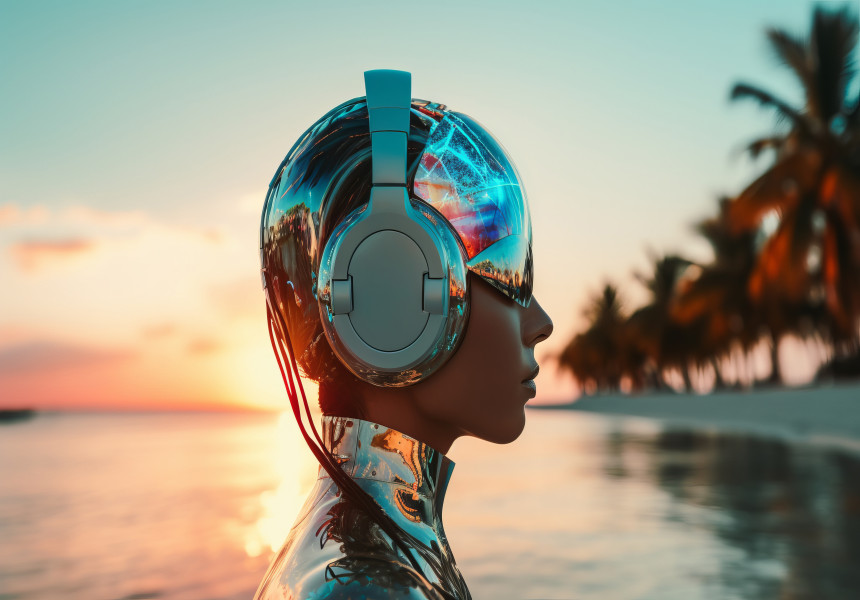
The Algorithmic Muse: How AI is Rewriting the Rules of Entertainment
Entertainment, that ever-evolving kaleidoscope of stories, sounds, and spectacles, is undergoing a seismic shift. The catalyst? Artificial intelligence. From the subtle nudges of recommendation algorithms to the creation of entirely new forms of immersive content, AI is rapidly reshaping how we consume, create, and experience entertainment. This blog post delves into the multifaceted ways AI is impacting the entertainment industry, examining its current applications, potential future developments, and the ethical considerations that arise from this technological revolution.
The Invisible Hand: AI's Role in Content Discovery and Recommendation
One of AI's most pervasive roles in entertainment is its ability to curate and personalize our viewing and listening experiences. Recommendation algorithms, powered by machine learning, analyze our consumption patterns, preferences, and social interactions to suggest content we're likely to enjoy.
- The Power of Personalization: Platforms like Netflix, Spotify, and YouTube leverage AI to deliver tailored recommendations, increasing user engagement and retention. These algorithms learn from our watch history, ratings, and even the time of day we consume content, to refine their suggestions.
- Beyond the Echo Chamber: While personalization enhances user satisfaction, it also raises concerns about the creation of "echo chambers," where users are primarily exposed to content that reinforces their existing beliefs and preferences. AI's role in diversifying content discovery and promoting exposure to diverse perspectives is a crucial area of ongoing research.
- The Future of Discovery: AI-powered search and discovery tools are becoming increasingly sophisticated, allowing users to find content based on nuanced criteria, such as mood, theme, or specific actors. Imagine a future where you can ask your streaming service to "find me a feel-good movie with a strong female lead" and receive a curated selection of options.
The Creative Collaborator: AI's Role in Content Creation
Beyond its role in content distribution, AI is also becoming a powerful tool for content creation, offering new possibilities for artists, writers, and filmmakers.
- AI-Generated Music: AI algorithms can compose original music in various genres, mimicking the styles of famous composers or creating entirely new sonic landscapes. Platforms like AIVA and Amper Music enable creators to generate royalty-free music for videos, games, and other projects.
- AI-Assisted Storytelling: AI can generate story outlines, character descriptions, and even dialogue, providing writers with creative inspiration and tools for brainstorming. AI-powered tools can also analyze existing narratives to identify successful plot structures and character archetypes.
- AI in Visual Effects and Animation: AI is revolutionizing visual effects and animation, enabling the creation of realistic digital characters, environments, and special effects. AI-powered tools can automate tedious tasks, such as rotoscoping and motion capture, freeing up artists to focus on more creative aspects of their work.
- The Rise of Deepfakes: While AI-generated visuals offer exciting creative possibilities, they also raise ethical concerns about the creation of deepfakes, realistic but fabricated videos that can be used for malicious purposes. The development of AI-powered tools for detecting and combating deepfakes is a critical area of research.
The Immersive Experience: AI's Role in Interactive Entertainment
AI is transforming interactive entertainment, creating more immersive and personalized gaming and virtual reality experiences.
- AI-Powered Game Characters: AI-powered non-player characters (NPCs) are becoming increasingly sophisticated, exhibiting realistic behaviors, adapting to player actions, and even engaging in dynamic conversations. This creates more immersive and engaging gaming experiences.
- Procedural Content Generation: AI algorithms can generate vast and diverse game worlds, levels, and items, creating unique and unpredictable gameplay experiences. This reduces the need for manual content creation, allowing developers to create larger and more complex games.
- Virtual Reality and Augmented Reality: AI is enhancing virtual reality (VR) and augmented reality (AR) experiences by enabling realistic object interaction, personalized avatars, and immersive storytelling. AI-powered tools can also track user movements and emotions, adapting the VR/AR experience in real-time.
- Interactive Storytelling: AI-powered interactive storytelling platforms allow users to make choices that affect the narrative, creating personalized and branching storylines. This blurs the line between traditional storytelling and gaming, offering new forms of immersive entertainment.
The Ethical Considerations: Navigating the Algorithmic Landscape
The rise of AI in entertainment raises a range of ethical considerations that need to be addressed.
- Copyright and Ownership: The legal and ethical implications of AI-generated content are still being debated. Who owns the copyright to a song composed by an AI? How do we ensure that AI-generated content doesn't infringe on existing copyrights?
- Bias and Representation: AI algorithms are trained on data, and if that data reflects existing biases, the AI will perpetuate those biases. This can lead to the creation of AI-generated content that reinforces harmful stereotypes and underrepresents certain groups.
- The Impact on Human Creativity: Some worry that AI will replace human creativity, leading to a decline in artistic expression. However, many see AI as a tool that can augment human creativity, allowing artists to explore new possibilities and push the boundaries of their craft.
- The Responsibility of AI Developers: AI developers have a responsibility to create AI systems that are transparent, accountable, and ethical. This includes ensuring that AI algorithms are not used to create harmful content, such as deepfakes or propaganda.
- The Mental Health Impact: The addictive nature of personalized recommendation systems, and the potential for AI-generated content to create unrealistic expectations, raises concerns about mental health impacts.
The Future of Entertainment: A Collaborative Symphony
The future of entertainment is likely to be a collaborative symphony between human creativity and artificial intelligence. AI will not replace human artists, but rather serve as a powerful tool that enhances their capabilities and opens up new avenues for creative expression.
- The Rise of AI-Human Collaboration: We can expect to see more collaborations between human artists and AI systems, where AI generates initial concepts and ideas, and humans refine and shape them into finished products.
- The Democratization of Content Creation: AI-powered tools will make content creation more accessible to a wider range of people, allowing individuals with limited technical skills to bring their creative visions to life.
- The Evolution of Immersive Experiences: VR, AR, and other immersive technologies will continue to evolve, powered by AI, creating increasingly realistic and engaging entertainment experiences.
- The Importance of Ethical AI Development: The ethical considerations surrounding AI in entertainment will become increasingly important, requiring collaboration between artists, developers, and policymakers to ensure responsible innovation.
- The Continued Evolution of Storytelling: AI will push the boundaries of storytelling, creating new narrative forms and interactive experiences that blur the lines between creator and audience.
In conclusion, AI is not just a technological innovation; it's a cultural force that's reshaping the entertainment landscape. As we navigate this algorithmic revolution, it's crucial to embrace the creative possibilities while remaining mindful of the ethical implications. The future of entertainment will be defined by our ability to harness the power of AI to create more engaging, diverse, and meaningful experiences for all. The algorithmic muse is here to stay, and its influence will continue to grow, shaping the stories we tell, the music we create, and the worlds we inhabit.