- Home
- Blog Details
Sushi is more than just a meal; it's a cultural experience, an art form, and a science that has evolved over centuries. Originating from Japan, sushi has captivated food lovers worldwide with its delicate balance of flavors, textures, and presentation. But behind every perfect piece of sushi lies a deep history, intricate preparation techniques, and a philosophy that respects nature and tradition.
In this blog, we will explore the origins of sushi, the different types, the science behind sushi-making, and why this dish continues to be a global sensation.
While sushi is synonymous with Japan today, its origins trace back to Southeast Asia. The earliest form of sushi, known as narezushi, emerged as a preservation technique where fish was fermented with rice. Over time, this method made its way to Japan, evolving into what we now recognize as modern sushi.
The Evolution of Sushi:
Narezushi (Ancient Times):
First created in the 2nd century AD.
Fermented fish was packed with rice to extend its shelf life.
Rice was discarded after fermentation, and only the fish was consumed.
Edomae Sushi (18th Century):
Originated in Edo (modern-day Tokyo).
Fresh fish was combined with vinegared rice for quicker preparation.
This style paved the way for nigiri sushi, which remains the most popular form today.
Modern Sushi (20th Century - Present):
Sushi bars expanded beyond Japan, spreading to the US, Europe, and worldwide.
Innovations like sushi rolls (makizushi) and fusion sushi (e.g., California rolls) became widely popular.
The Different Types of Sushi:
Sushi is a diverse dish with multiple variations, each offering unique flavors and experiences. Here are some of the most famous types:
1. Nigiri Sushi
Hand-pressed sushi consisting of a slice of raw fish atop a small bed of rice.
Common toppings: Tuna (maguro), salmon (sake), shrimp (ebi), and eel (unagi).
2. Maki Sushi (Sushi Rolls)
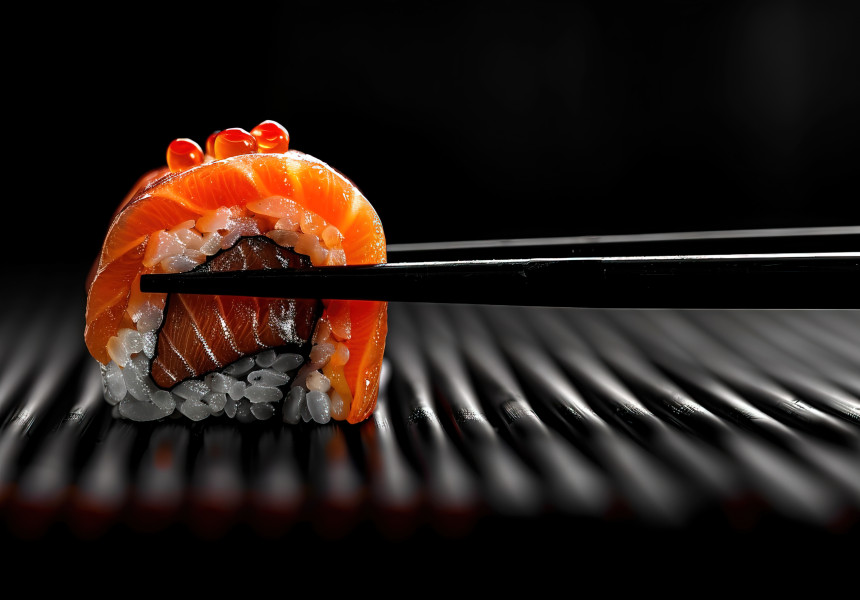
Rice and fish or vegetables rolled in nori (seaweed) and sliced into bite-sized pieces.
Popular variations:
Hosomaki (thin rolls, usually one filling).
Futomaki (thick rolls with multiple ingredients).
Uramaki (inside-out rolls like the California roll).
3. Sashimi
Not technically sushi but often associated with it.
Consists of thinly sliced raw fish, served without rice.
4. Temaki (Hand Rolls)
A cone-shaped seaweed wrap filled with rice, fish, and vegetables.
Popular for casual sushi dining.
5. Chirashi (Scattered Sushi)
A bowl of sushi rice topped with a variety of sashimi, vegetables, and garnishes.
The Science Behind Perfect Sushi
Sushi-making is an intricate process that blends culinary art with food science. Here’s a breakdown of what makes sushi so special:
1. The Perfect Sushi Rice
Short-grain Japanese rice is used for its sticky texture.
Cooked rice is mixed with a delicate blend of rice vinegar, sugar, and salt.
The right temperature (slightly warm) enhances the flavor balance.
2. The Role of Umami in Sushi
Sushi is rich in umami, the fifth basic taste.
Ingredients like soy sauce, seaweed, and fish naturally contain glutamates, enhancing umami flavors.
3. Freshness of Fish Matters
Sushi chefs use the ikejime method to ensure fish stays fresh and maintains its quality.
Proper aging of fish (such as dry-aging tuna) enhances texture and flavor.
4. Wasabi and Ginger: More Than Just Condiments
Wasabi (Japanese horseradish) has antibacterial properties and enhances fish flavors.
Pickled ginger (gari) cleanses the palate between bites.
Sushi Etiquette: How to Eat Sushi the Right Way
Eating sushi is an experience, and there are traditional etiquettes to follow:
Use your hands for nigiri sushi (chopsticks are fine too).
Dip fish-side (not rice-side) into soy sauce to avoid overpowering the flavor.
Eat sushi in one bite for the full experience.
Don't mix wasabi into soy sauce (chefs already season sushi appropriately).
Use ginger as a palate cleanser between different types of sushi.
Sushi Around the World: Fusion and Innovation
Sushi has evolved beyond its Japanese roots, inspiring creative variations worldwide:
California Roll: Imitation crab, avocado, and cucumber wrapped inside-out.
Brazilian Sushi: Sushi with tropical fruits and cream cheese.
Kimbap: Korean sushi-like rolls using sesame oil instead of vinegar.
European Sushi: Ingredients like foie gras and truffle are sometimes added.
The globalization of sushi has led to an exciting mix of traditional and modern interpretations, making it accessible to different cultures and palates.
The Future of Sushi: Sustainability and Ethical Concerns
As sushi’s popularity grows, sustainability becomes a major concern:
Overfishing: Tuna, a staple in sushi, is facing population decline. Chefs are turning to sustainable fish alternatives like Arctic char and mackerel.
Lab-Grown Sushi: Scientists are developing lab-grown seafood to reduce environmental impact.
Plant-Based Sushi: Vegan sushi using mushrooms, jackfruit, and even watermelon as fish substitutes is gaining traction.
By making responsible choices, both sushi chefs and consumers can help protect the oceans and ensure sushi remains a delicacy for generations to come.
Sushi is more than just a meal; it’s a testament to Japan’s culinary heritage, a symbol of craftsmanship, and a global phenomenon. From its humble beginnings in fermented fish to its place on fine-dining menus worldwide, sushi continues to captivate food lovers everywhere. Whether you enjoy a simple nigiri or an extravagant sushi roll, every bite carries centuries of tradition, innovation, and artistry.
So next time you sit down for sushi, take a moment to appreciate the rich history, meticulous preparation, and the deep connection between nature and cuisine.