- Home
- Blog Details
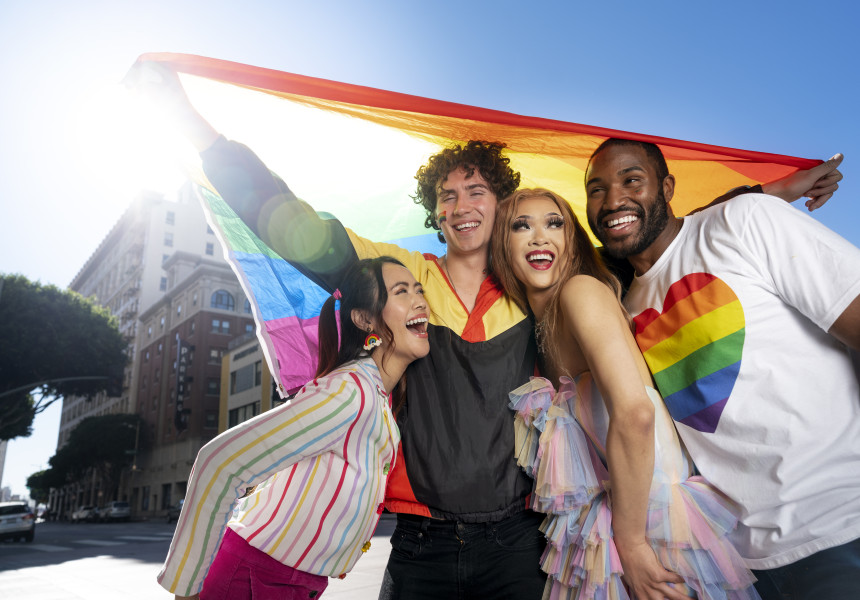
Every year in June, countries around the world pause to recognize and celebrate Pride Month—a powerful, deeply meaningful time that honors the LGBTQ+ community’s resilience, history, contributions, and ongoing fight for equality. What began as a protest more than half a century ago has evolved into a global movement centered on visibility, inclusion, and human rights.
But beyond the rainbow flags, colorful parades, and corporate sponsorships, Pride Month carries a legacy of struggle and transformation. It calls on individuals, institutions, and societies to reflect on how far we’ve come—and how far we still have to go—in the journey toward dignity, acceptance, and equal opportunity for all.
The origins of Pride Month can be traced back to a pivotal event in American history: the Stonewall Uprising of June 1969. At a time when LGBTQ+ individuals were frequently harassed, criminalized, and denied fundamental rights, police raided the Stonewall Inn, a popular gay bar in New York City. Rather than remain passive, the patrons and local community pushed back, sparking several days of protests that marked the birth of the modern LGBTQ+ rights movement.
The following year, in June 1970, the first Christopher Street Liberation Day March was held in New York to commemorate the anniversary of the Stonewall uprising. This march laid the foundation for what we now know as Pride parades, and over the decades, these events have grown into a global expression of LGBTQ+ visibility and resistance.
Pride Month is not simply a celebration—it is a commemoration. It honors the countless individuals who have fought for freedom and recognition in the face of adversity and reminds us that rights once won must be continually defended.
While vibrant parades and joyful expressions of identity are an important part of Pride, the month is also a deeply political and personal act of visibility. For many, Pride represents:
Affirmation: A public declaration of one’s identity in a world that often marginalizes or erases LGBTQ+ lives.
Advocacy: An opportunity to raise awareness of social, legal, and economic injustices that LGBTQ+ people continue to face.
Community: A chance to connect with others who share similar experiences, especially for those who may feel isolated or rejected.
Education: A platform for learning about the complex history, struggles, and achievements of the LGBTQ+ movement.
Pride is a movement that encompasses both celebration and activism. It’s a call to honor individuality while pushing for systemic change that ensures every person, regardless of sexual orientation or gender identity, can live freely and safely.
In some parts of the world, the LGBTQ+ community has seen significant progress, including the legalization of same-sex marriage, improved anti-discrimination laws, and increased visibility in media, politics, and leadership roles. However, this progress is not universal—and in many ways, it remains fragile.
LGBTQ+ individuals still face a wide range of challenges, such as:
Legal discrimination: In several countries, same-sex relationships remain criminalized, and LGBTQ+ individuals risk arrest, violence, or persecution simply for being who they are.
Workplace inequality: Despite corporate efforts to promote diversity, LGBTQ+ employees often report feeling unsafe, unsupported, or subject to bias in hiring, promotions, and workplace culture.
Healthcare disparities: LGBTQ+ people—especially transgender individuals—frequently encounter stigma, denial of care, and a lack of culturally competent healthcare.
Mental health concerns: LGBTQ+ youth are significantly more likely to experience depression, anxiety, and suicidal ideation, often due to rejection, bullying, and societal pressure.
Violence and hate crimes: In many regions, violence against LGBTQ+ people, including trans individuals and people of color, remains alarmingly high and often goes unpunished.
Pride Month remains necessary because full equality is not yet a reality. It is a time to recognize the challenges that persist and to recommit to building inclusive societies where diversity is respected and protected—not merely tolerated.
As workplaces become increasingly diverse, businesses and institutions have a unique role to play in advancing LGBTQ+ inclusion. Organizations that embrace diversity do more than demonstrate social responsibility—they unlock the potential of every employee, foster innovation, and build stronger communities.
Here are some essential steps businesses can take to support LGBTQ+ inclusion:
Workplaces must have clear, enforceable non-discrimination policies that explicitly protect individuals based on sexual orientation, gender identity, and gender expression. These policies should be communicated regularly and embedded into hiring, promotion, and disciplinary practices.
Employee benefits—such as healthcare, family leave, and retirement plans—should be inclusive of all family structures and respectful of diverse identities. Transgender employees, in particular, should have access to comprehensive healthcare that includes gender-affirming care and support.
LGBTQ+ ERGs can provide a safe space for community building, mentorship, and advocacy within the organization. These groups also offer valuable feedback to leadership on how to improve policies, culture, and outreach.
Regular training on unconscious bias, inclusive language, and allyship can foster a more respectful and informed workplace. Leadership must model inclusive behavior and hold others accountable for creating a welcoming environment.
Acknowledging Pride Month through internal communications, educational events, and meaningful programming is important. However, authenticity is key. Representation should never be performative or limited to a single month. Pride celebrations must be part of a broader, year-round commitment to equality.
An ally is someone who actively supports and advocates for the rights and dignity of LGBTQ+ individuals. Being an ally is not about taking center stage—it’s about standing in solidarity, amplifying marginalized voices, and challenging injustice where you see it.
Here are several ways to be an effective ally:
Listen and Learn: Educate yourself about LGBTQ+ experiences and histories. Avoid placing the burden of explanation on LGBTQ+ colleagues or friends.
Respect Pronouns and Identities: Use inclusive language and honor how people identify. If you make a mistake, apologize, correct yourself, and continue learning.
Interrupt Bias: Speak out against homophobic, transphobic, or exclusionary language and behavior, especially in your social or professional circles.
Support LGBTQ+ Organizations: Donate time, money, or resources to nonprofits, advocacy groups, and community initiatives working to improve LGBTQ+ lives.
Challenge Your Own Assumptions: Reflect on how unconscious bias might influence your perceptions and decisions. Continuous learning is key to growth as an ally.
While Pride Month is recognized in many Western countries in June, LGBTQ+ Pride is celebrated at different times and in different forms across the globe. From Toronto to Tel Aviv, from Johannesburg to Tokyo, Pride events serve as both cultural festivals and political demonstrations.
However, the reality for LGBTQ+ individuals varies greatly depending on geography. In some countries, participating in Pride can be life-threatening. This stark contrast underscores the importance of global solidarity and continued advocacy for human rights, no matter where people live.
In nations where LGBTQ+ rights are under threat, international support—including from companies, non-governmental organizations, and individuals—can help shine a spotlight on injustice and amplify local voices demanding change.
Quotes from prominent LGBTQ+ figures remind us of the power of visibility and courage:
“Hope will never be silent.” – Harvey Milk
“Openness may not completely disarm prejudice, but it’s a good place to start.” – Jason Collins
“To be yourself in a world that is constantly trying to make you something else is the greatest accomplishment.” – Ralph Waldo Emerson (often quoted in LGBTQ+ advocacy)
These voices, among countless others, have paved the way for future generations to live more openly and safely. Their words continue to inspire activism and authenticity today.
Pride Month is a powerful reminder that inclusivity is not a trend—it is a responsibility. It’s not just about rainbow flags in June or statements of solidarity; it’s about the ongoing work of building a world where LGBTQ+ people are treated with equality and respect in every area of life.
As individuals, we can reflect on our beliefs and actions. As organizations, we can evaluate our culture and systems. As societies, we can choose empathy, dignity, and justice over division and discrimination.
Pride is not a destination. It is a journey—one marked by courage, resilience, and unwavering hope.
Let us move forward together, ensuring that the spirit of Pride lives not only in June, but in every day, policy, relationship, and act of kindness.
Call to Action:
Learn more about LGBTQ+ history and rights in your region.
Support LGBTQ+ artists, creators, and businesses.
Start a conversation about inclusion in your workplace.
Donate to organizations that protect and uplift LGBTQ+ communities.
Make a year-round commitment to equity, representation, and respect.
Because a more just and inclusive world doesn’t start with a parade. It starts with each of us.