- Home
- Blog Details
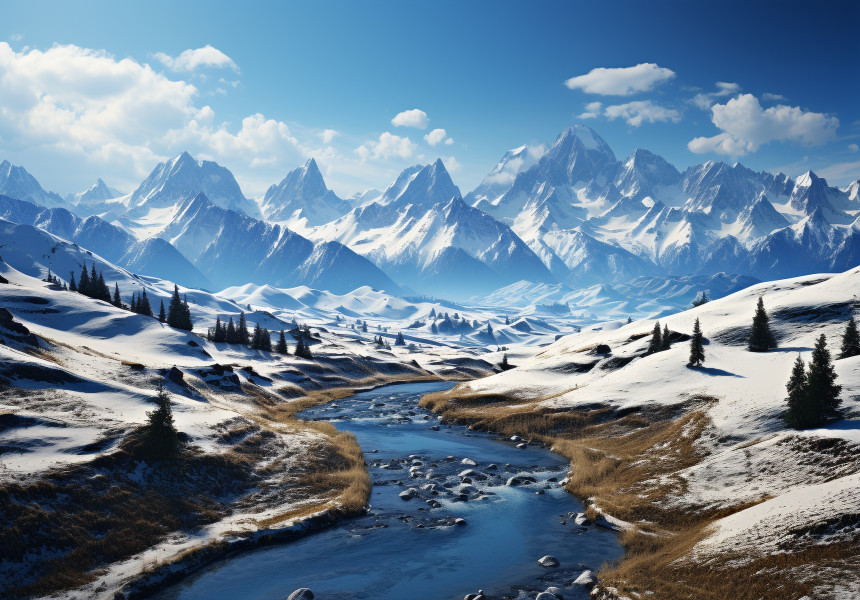
Nestled high in the Himalayas, Spiti Valley is a land of surreal beauty, ancient monasteries, and a culture deeply rooted in Tibetan Buddhism. Often referred to as “Little Tibet,” Spiti, which means “The Middle Land,” separates India from Tibet. This remote and rugged valley in Himachal Pradesh is an adventurer’s paradise, offering breathtaking landscapes, serene villages, and an escape from the chaos of urban life.
Spiti Valley can be reached via two main routes:
The best way to explore Spiti Valley is by road, as flights and trains do not directly connect to this remote region. The nearest airport is in Bhuntar (near Kullu), and the nearest railway station is in Shimla.
Summer (May to October): Ideal for road trips, trekking, and sightseeing as the weather is pleasant.
Kaza is the largest town in Spiti Valley and serves as the base for exploring nearby villages and monasteries. It has a vibrant local market, traditional Spitian houses, and stunning views of the Spiti River.
Perched on a hilltop at 13,668 feet, Key Monastery is one of the most iconic landmarks of Spiti Valley. It is the largest Buddhist monastery in the region and is home to ancient murals, thangkas, and scriptures.
A pristine high-altitude lake located at 14,100 feet, Chandratal is famous for its crystal-clear water that reflects the surrounding snow-capped peaks. It is a favorite among trekkers and campers.
Located between Kaza and Tabo, Dhankar Monastery is an architectural marvel perched dramatically on a cliff. It offers a breathtaking panoramic view of the Spiti Valley.
Dating back to 996 AD, Tabo Monastery is one of the oldest monasteries in India. It houses a vast collection of ancient Buddhist scriptures, murals, and stupas.
Send a postcard from the highest post office in the world, located at 14,400 feet! Hikkim is a tiny village known for its unique claim to fame and picturesque landscapes.
Langza is known for its prehistoric marine fossils, thanks to Spiti’s geological history as a seabed millions of years ago. The towering Buddha statue in the village adds to its spiritual charm.
At an altitude of 15,500 feet, Komic is the highest village in the world accessible by a motorable road. It is home to the ancient Tangyud Monastery.
For wildlife enthusiasts, Pin Valley is home to the elusive snow leopard, ibex, red fox, and other high-altitude fauna. The park also offers some spectacular trekking trails.
This lesser-known monastery is believed to be one of the oldest in Spiti and is renowned for its golden murals and ancient Buddhist relics.
Spiti offers some of the most thrilling trekking routes, including:
Camping by the lakeside or in Spitian villages is an unforgettable experience.

With minimal light pollution, Spiti Valley is an ideal place for astrophotography. The Milky Way is clearly visible on cloudless nights.
Stay in a traditional Spitian homestay and experience the warm hospitality of the locals while enjoying authentic Spitian cuisine.
Immerse yourself in Tibetan Buddhist culture by spending time at Spiti’s historic monasteries, meditating, and learning from the monks.
Spiti Valley is a dream destination for nature lovers, adventure seekers, and culture enthusiasts. It offers a rare glimpse into an untouched Himalayan paradise, where time slows down, and the soul finds peace. Whether you want to explore ancient monasteries, trek through rugged terrains, or simply immerse yourself in the surreal beauty of the mountains, Spiti has something for every traveler.
Plan your trip to Spiti Valley and embark on a journey of a lifetime. Let the mountains call you home!