- Home
- Blog Details
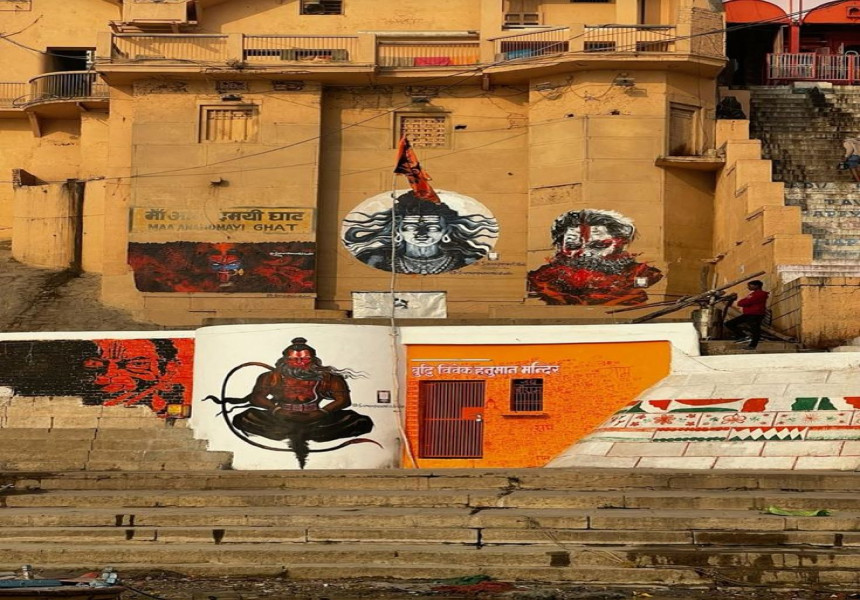
As the sun rises over the holy city of Varanasi, the ghats come to life with colors, prayers, and the soft sound of the Ganges River. The smell of incense fills the air, blending with the ringing of temple bells and devotional songs. Standing by the river, one can feel the deep history, spirituality, and culture that have existed here for centuries.
A Look into the Past
The ghats of Varanasi are believed to be more than 3,000 years old. According to legends, Lord Shiva himself founded this sacred city, making it one of the holiest places in Hinduism. As early as the 5th century BCE, Varanasi was a thriving center for trade, education, and spirituality. Over time, the simple steps leading to the river transformed into grand stone embankments, each with its own story.
One of the most famous ghats is Dashashwamedh Ghat, where it is said that Lord Brahma performed ten horse sacrifices, making it a place of great spiritual energy. Another important ghat is Manikarnika Ghat, known for its eternal cremation fire that has been burning for centuries, symbolizing the cycle of life and death.
Culture and Daily Life at the Ghats
The ghats are the heart of life in Varanasi, blending spirituality with everyday activities. From morning prayers to evening ceremonies, they offer a fascinating glimpse into the city's soul.
Every morning, people gather to bathe in the holy Ganges, believing it washes away their sins. Holy men, known as sadhus, sit in meditation, covered in ash and chanting prayers. Boatmen take visitors along the river, sharing stories passed down through generations.
The ghats are also a center for art and culture. Many musicians, poets, and artists find inspiration here, making Varanasi famous for classical music and dance. Events like the Ganga Mahotsav, a grand festival, celebrate the city's rich cultural heritage with music, art, and delicious food.
Sacred Rituals and Traditions
Each ghat has a special purpose and ritual. For example, Assi Ghat, where two rivers meet, is a peaceful place for meditation and worship of Lord Shiva. It is popular among students and spiritual seekers.
One of the most emotional and sacred traditions takes place at Manikarnika Ghat, where families bring their loved ones for cremation, believing it frees the soul from rebirth.
As the day ends, the Ganga Aarti at Dashashwamedh Ghat is a breathtaking sight. Priests dressed in saffron robes perform a synchronized ceremony with fire, flowers, and prayers, while thousands watch with devotion.
A Timeless Experience
Walking along the ghats of Varanasi feels like stepping back in time. Ancient traditions and modern life exist side by side, with busy markets, spiritual seekers, and curious travelers all finding their place here. Behind the ghats, small shops sell tea, flowers, and silk, adding to the city's charm.
Everywhere you go, there's a story to hear—whether from an elderly priest, a boatman, or the intricate carvings on a temple wall.
For those looking to experience the spiritual heart of India, the ghats of Varanasi offer a journey beyond time, where the sacred and everyday life exist in perfect balance.
As the night falls and the city rests, the river flows on, just as it has for thousands of years, keeping the spirit of Varanasi alive.